
13 min read
Need it handled? Call (800) 988-6511
Video Intercom Installation Pleasanton: ACD Telecommunication can help. Call (800) 988-6511 for a free estimate.
TL;DR
Video intercom installation in Pleasanton costs $650–$8,000+ depending on whether you're upgrading a single-family home or installing a multi-entry commercial system. Bay Area labor rates run 25–40% above national averages, and the City of Pleasanton requires building permits for most low-voltage wiring work. Learn more about structured cabling contractors in Pleasanton. Wired systems suit retrofit scenarios; IP-based systems dominate new commercial builds in Hacienda Business Park and similar office parks. Professional installation takes 1 day for residential, 2–5 days for commercial.
What Is Video Intercom Installation in Pleasanton?
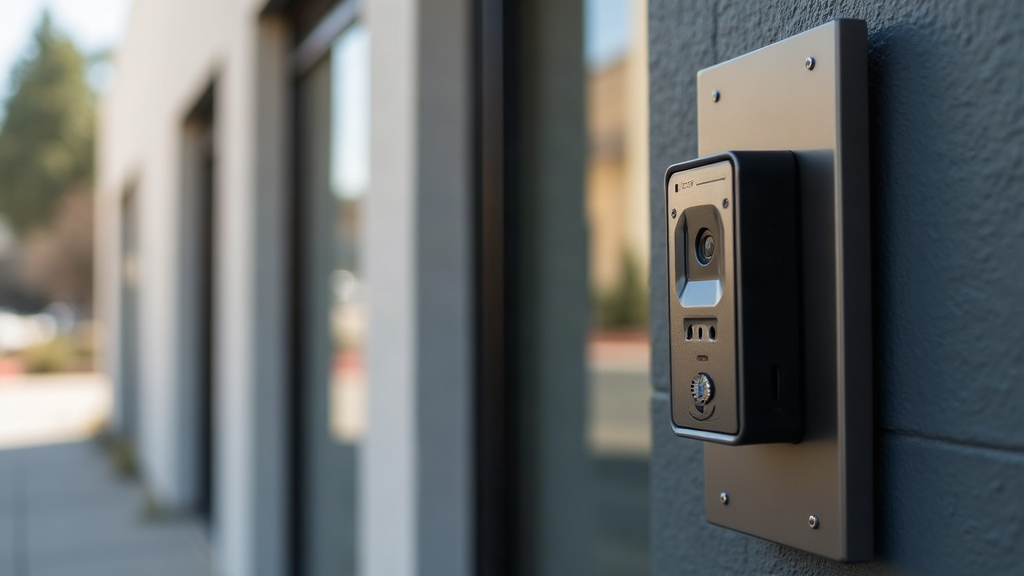
Video intercom installation in Pleasanton means adding a door-entry system that combines audio, video, and access control – allowing residents or staff to see and speak with visitors before buzzing them in. Unlike a simple video doorbell camera, a true intercom system integrates with your building's electrical infrastructure, often connecting to a master station inside the home or office.
Here in Pleasanton, we see three main use cases. Single-family homeowners upgrade from basic doorbells to wired video intercoms for security and convenience. Multi-unit residential buildings – duplexes, fourplexes, and apartment complexes – need systems that route calls to multiple units. Commercial properties, especially in Hacienda Business Park and the surrounding Tri-Valley office corridor, install IP-based intercoms that integrate with access control, surveillance, and phone systems.
Pleasanton's growth as a business hub and its mix of 1980s–2010 residential tracts means installers regularly encounter both retrofit scenarios (running new wire through existing walls) and new-construction builds. The Tri-Valley's hot, dry summers (highs regularly exceed 95°F) also demand outdoor stations rated for heat and UV exposure – a detail that affects hardware selection and cost.
Key Takeaway: Video intercom installation ranges from a simple wired upgrade in a single-family home to a complex multi-entry IP system with access control integration in a commercial office park. The scope and system type drive both cost and timeline.
How Much Does Video Intercom Installation Cost in Pleasanton?
Expect $650–$2,800 for residential installations and $3,500–$8,000+ for commercial multi-entry systems in Pleasanton. These figures include hardware, labor, cabling, and basic programming. Learn more about video surveillance for Bay Area commercial properties. Bay Area labor rates – running $85–$130 per hour for low-voltage technicians – are 25–40% higher than the national average, so Pleasanton costs reflect that regional premium.
Cost Breakdown: What You're Paying For
| Component | Residential (Single Entry) | Commercial (3 Entries) |
|---|---|---|
| Hardware (unit, stations, wiring) | $200–$600 | $1,800–$4,200 |
| Labor (installation, programming) | $300–$600 | $1,200–$2,400 |
| Cabling & conduit | $100–$300 | $400–$1,200 |
| Permit & inspection | $150–$350 | $200–$500 |
| Total Installed | $750–$1,850 | $3,600–$8,300 |
These are realistic Pleasanton-area ranges based on typical projects. Your actual cost depends on several local factors: whether your home has existing low-voltage wiring (older Vintage Hills homes often don't), the distance from the entry to the master station, whether you need new conduit run through stucco or drywall, and current City of Pleasanton permit fees.
Residential Installation Costs
A single-family home upgrade in Pleasanton typically runs $650–$1,200 installed. If you're replacing an old doorbell with a wired video intercom – say, an Aiphone JO series system – the hardware costs $250–$400, labor runs $300–$400 for a one-day installation, and permits add $150–$250. If your home already has 2-wire doorbell cabling in good condition, the job is faster and cheaper. If the installer needs to run new wire through walls or drill through stucco, add $200–$400 for cabling and conduit.
Example: A Pleasanton homeowner in the Del Prado neighborhood replaces a standard doorbell with a wired video intercom. Hardware: $350. Labor: $350. Permit: $200. Total: $900 installed in one day.
Commercial Installation Costs
A three-entry commercial office in Hacienda Business Park or a similar Pleasanton business park typically costs $3,500–$8,000 installed. IP-based systems (2N, Doorbird, Verkada) dominate this segment because they integrate with existing access control, surveillance, and phone systems. Hardware for a 3-entry IP system runs $1,800–$3,500. Labor for programming, network configuration, and integration adds $1,200–$2,000. Cabling, conduit, and ADA-compliant mounting add another $400–$1,200. Permits and inspections: $200–$500.
Example: A Hacienda Business Park office building installs a 3-entry IP video intercom system with integration to their existing Genetec access control. Hardware: $2,800. Labor: $1,500. Network configuration: $500. Cabling: $600. Permit: $300. Total: $6,200 installed over 3 days.
Factors That Affect Price in Pleasanton
Wiring age and condition. Homes built before 1995 in Pleasanton often lack low-voltage infrastructure. Running new 18/2 or 22/2 wire through walls, attics, or conduit adds $200–$600 depending on distance and obstruction.
Exterior material. Stucco is common in Pleasanton's 1985–2010 housing stock. Drilling through stucco and sealing properly (to prevent moisture intrusion in our dry climate) requires weatherproof back-boxes and silicone caulking – adding labor and materials.
Distance from entry to master station. A 50-foot run costs less than a 150-foot run. Long runs may require signal boosters or upgraded wire gauge.
Permit requirements. The City of Pleasanton requires permits for low-voltage wiring that penetrates fire-rated walls or involves new runs in existing structures. Residential homeowner exemptions apply for owner-occupied primary residences, but permits may still be required. Commercial properties always need permits. Current Pleasanton permit fees range $150–$350 for low-voltage work.
System type. Wired systems are cheaper upfront ($400–$800 hardware). Wireless systems avoid cabling but may have range or interference issues. IP systems cost more ($1,500–$3,500 hardware) but offer remote access, integration, and scalability – critical for commercial deployments.
Which Video Intercom System Is Right for Your Property?
Choosing between wired, wireless, and IP systems depends on your property type, budget, and integration needs. Here's how to match the system to your situation.
Wired vs. Wireless Video Intercoms
Wired systems (Aiphone JO series, basic 2-wire setups) are reliable, don't require WiFi, and work well in retrofit scenarios where you can reuse existing doorbell wiring. They're cheaper upfront ($400–$800 hardware) and have no battery concerns. The trade-off: you need to run physical wire, which can be labor-intensive in older Pleasanton homes with no existing conduit.
Wireless systems (battery-powered video doorbells with hub receivers) skip the cabling step, making them faster to install ($300–$600 total). They work well for renters or temporary setups. The downside: batteries need regular replacement, WiFi interference can disrupt service, and they don't integrate with access control or phone systems.
When to choose wired: You own your home, plan to stay long-term, and have existing low-voltage wiring or don't mind running new wire. You want rock-solid reliability and no battery maintenance.
When to choose wireless: You're renting, want a quick install, or need a temporary solution. You have strong WiFi coverage and don't need integration with other systems.
IP and Cloud-Based Intercom Systems
IP-based systems (2N IP Verso, Doorbird D21x, Verkada Door Intercom) connect to your network and offer remote smartphone access, cloud storage, and integration with access control, surveillance, and phone systems. They're the standard for new commercial builds in Hacienda Business Park and other Tri-Valley office parks.
Advantages:
- Remote access via smartphone from anywhere
- Integration with Genetec, Lenel, or other access control platforms
- PoE (Power over Ethernet) simplifies wiring – one cable delivers power and data
- HD video, two-way audio, call logging
- Scalable: add more stations without rewiring
Disadvantages:
- Higher upfront cost ($1,500–$3,500 hardware)
- Requires network infrastructure (PoE switch, adequate bandwidth)
- Depends on internet connectivity (though local fallback modes exist)
- More complex programming and integration
Why Pleasanton commercial buildings prefer IP: Hacienda Business Park and similar office parks already have structured cabling and network infrastructure in place. IP systems integrate seamlessly with existing Genetec or Lenel deployments, eliminating the need for separate access control hardware. Remote management is essential for multi-tenant buildings and property managers overseeing several locations.
Top brands installed in Pleasanton:
- Aiphone JO series – wired, 2-wire retrofit, residential favorite
- 2N IP Verso – IP, Genetec integration, commercial standard
- Doorbird D21x – IP, HomeKit/Alexa compatible, tech-savvy homeowners
- Hikvision DS-KV – IP, surveillance integration, enterprise deployments
- Verkada Door Intercom – cloud-managed, PoE, Bay Area-headquartered (strong local integrator support)
How Does the Video Intercom Installation Process Work?
Professional installation follows a predictable sequence: site survey, system design, cabling, mounting, programming, and testing. Understanding the process helps you plan your timeline and budget.
Step-by-Step Installation Process
1. Site Survey (30–60 minutes) The installer visits your property to assess wiring, entry points, and infrastructure. They check for existing low-voltage cabling, measure distances from entry to master station, inspect door frames and exterior surfaces (stucco, wood, metal), and verify network availability (for IP systems). In Pleasanton, older homes in Vintage Hills or Del Prado neighborhoods often lack existing conduit, which the installer flags as a cost factor.
2. System Design & Quote Based on the survey, the installer designs the system layout, specifies hardware, and provides an itemized quote. For residential retrofits, they'll recommend whether to reuse existing wire or run new cabling. For commercial projects, they'll detail integration points with your access control or phone system.
3. Permit Application (if required) For commercial properties or new construction in Pleasanton, the installer typically pulls the building permit. Residential homeowner exemptions may apply, but the installer will clarify. Permits take 5–10 business days in Pleasanton.
4. Cabling & Conduit Installation The installer runs low-voltage wire (18/2, 22/2, or Cat6 for IP systems) from the entry station to the master station location. In Pleasanton's stucco-heavy housing stock, this often means drilling through exterior walls, running wire through attics or crawl spaces, and installing conduit to protect the wire. For IP systems, they may integrate with existing network infrastructure or install a dedicated PoE switch.
5. Station Mounting The door station is mounted at the entry (typically 48–54 inches high for ADA compliance on commercial properties). Outdoor stations must be sealed properly – especially important in Pleasanton's hot, dry climate where UV and temperature extremes stress outdoor equipment. Stucco installations require weatherproof back-boxes and silicone caulking around penetrations.
6. Programming & Integration The installer configures call routing, access control integration (if applicable), and smartphone app access. For IP systems, they set up network connectivity, DHCP or static IP assignment, and integration with third-party platforms like Genetec or Lenel.
7. Testing & Handoff The installer tests all functions: audio/video quality, call routing, access control triggers, and remote access. They walk you through operation and provide documentation.
Timeline Expectations
- Residential (single entry): 1 day, typically 4–6 hours on-site
- Commercial (2–3 entries): 2–3 days, with network configuration and integration adding time
- Large commercial (4+ entries with access control): 3–5 days, including integration testing
Permit delays can add 1–2 weeks if required.
Pleasanton-Specific Considerations
Homes in Vintage Hills and similar 1985–2010 neighborhoods often have minimal low-voltage infrastructure. Installers expect to run new wire, which adds labor and materials. Stucco exteriors are the norm, requiring proper weatherproofing – critical in Pleasanton's summer heat (95–105°F regularly) and dry climate.
What Should You Look for in a Pleasanton Video Intercom Installer?
Not all installers are equal. A professional video intercom installer should hold the right California contractor license, provide references, pull permits correctly, and stand behind their work with a labor warranty.
Installer Checklist
California Contractor License
- Verify the installer holds a C-7 (Low Voltage Systems) license from the California Contractors State License Board (CSLB). This is the appropriate credential for video intercom work.
- If the system involves 120V line voltage (e.g., powering a master station), a C-10 (Electrical) license may also be required.
- Check the license status at CSLB. Red flag: no license or an expired license.
Local References
- Ask for 3–5 references from Pleasanton-area residential or commercial projects completed in the past 2 years.
- Call or email references and ask about quality, timeliness, and post-installation support.
Written Estimate & Permit Clarity
- Demand an itemized quote breaking down hardware, labor, cabling, permits, and programming separately.
- Confirm whether the installer will pull permits or if you're responsible. For commercial work, the installer should handle permits.
- Red flag: vague quotes ("around $2,000") or refusal to discuss permits.
Warranty on Labor
- Professional installers typically warranty labor for 1 year. Confirm this in writing.
- Hardware warranties come from manufacturers (usually 1–3 years); the installer should clarify what's covered.
Questions to Ask Before Hiring
- Are you licensed in California, and can you provide your C-7 license number?
- Will you pull the building permit, or is that my responsibility?
- Can you provide three local references from the past two years?
- What's included in your labor warranty?
- Do you offer integration with my existing access control or phone system? (for commercial)
- What's your timeline for a site survey and installation?
- Do you handle post-installation support and troubleshooting?
Why Professional Installation Matters
DIY video intercom installation is possible for tech-savvy homeowners, but it carries risks. Improper wiring can cause signal loss or interference. Poor weatherproofing on outdoor stations leads to moisture intrusion and equipment failure – especially problematic in Pleasanton's heat. Incorrect ADA mounting on commercial properties creates liability. A licensed professional handles permits, ensures code compliance, and guarantees the system works reliably.
For commercial properties in Hacienda Business Park or other Pleasanton office parks, professional installation is non-negotiable. Integration with access control, surveillance, and phone systems requires expertise that DIY approaches can't match.
Local Expertise in Pleasanton
Here in Pleasanton, we work with properties ranging from single-family homes in Shadow Cliffs to multi-tenant office buildings in Hacienda. We understand the local wiring challenges – older homes with minimal infrastructure, stucco exteriors that demand proper sealing, and the Tri-Valley climate that stresses outdoor equipment. We're familiar with City of Pleasanton permit requirements and can navigate the building division efficiently.
When you're ready to move forward, ACD Telecommunication offers video intercom installation and integration services across Pleasanton and the surrounding Bay Area. We hold the appropriate California contractor licenses, pull permits, and handle integration with your existing phone and access control systems. Whether you're upgrading a single-family home or deploying a multi-entry commercial system, we provide transparent quotes, professional installation, and ongoing support. Learn more at acdtele.com or call our Pleasanton team for a free site survey and estimate.
Recommended Local Pro: ACD Telecommunication
If you'd rather skip the search, ACD Telecommunication serves Dublin and handles this end to end — with clear pricing and a straight answer on timing before you commit.
FAQ: Video Intercom Installation in Pleasanton
How much does video intercom installation cost in Pleasanton, CA?
Direct Answer: Residential installations run $650–$1,850 installed; commercial multi-entry systems cost $3,500–$8,000+. The primary cost drivers are hardware ($200–$3,500), labor ($300–$2,400), cabling ($100–$1,200), and permits ($150–$500).
Bay Area labor rates are 25–40% higher than the national average, so Pleasanton costs reflect that regional premium. A simple wired upgrade in a single-family home might cost $650–$900. A three-entry IP system in a Hacienda Business Park office could run $6,000–$8,000 when integration with access control is included.
Do I need a permit to install a video intercom system in Pleasanton?
Direct Answer: Yes, the City of Pleasanton requires a building permit for low-voltage wiring installations that penetrate walls or involve new wiring runs in existing structures. Residential homeowner exemptions apply for owner-occupied primary residences, but permits may still be required depending on the scope.
Commercial properties always require permits. Permit fees typically range $150–$350. The installer should clarify permit requirements during the site survey and handle the application process. Permits take 5–10 business days in Pleasanton.
What is the difference between a video intercom and a video doorbell?
Direct Answer: A video intercom is a hardwired or networked system that integrates with your building's electrical infrastructure and connects to an indoor master station. A video doorbell is a standalone camera that records video and sends alerts to your smartphone but doesn't require wiring or integration.
Video intercoms offer two-way audio, integration with access control and phone systems, and professional reliability. Video doorbells are easier to install but lack integration and don't support multi-unit or commercial deployments. For Pleasanton commercial properties, video intercoms are the standard. For residential, it depends on your needs and existing infrastructure.
How long does a professional video intercom installation take?
Direct Answer: Residential installations typically take 1 day (4–6 hours on-site). Commercial installations with multiple entries and access control integration take 2–5 days, including programming and testing.
Permit delays can add 1–2 weeks if required. The timeline also depends on whether existing low-voltage wiring is available (faster) or new cabling must be run (slower). Older Pleasanton homes often require new cabling, which extends the installation.
Can a video intercom system be integrated with existing access control?
Direct Answer: Yes, IP-based video intercom systems integrate natively with access control platforms like Genetec, Lenel, and others. Integration allows a single system to manage door entry, video verification, and access logging.
Wired systems typically don't integrate with access control. This is why commercial properties in Hacienda Business Park and similar office parks prefer IP systems – they consolidate security functions and simplify management. Integration requires network infrastructure and programming expertise; a professional installer handles this.
Is it worth hiring a professional installer versus DIY in Pleasanton?
Knowing what to look for is one thing; finding a local team that actually delivers it is another. ACD Telecommunication is one serving Dublin — clear about what they do, upfront on pricing, and easy to reach before you commit to anything.
✓ Recommended locally: ACD Telecommunication
Serving Dublin. Call (800) 988-6511 or get in touch »
Direct Answer: For residential single-entry systems, a tech-savvy homeowner can attempt DIY installation if they're comfortable with low-voltage wiring and weatherproofing. For commercial properties or multi-entry systems, professional installation is essential.
Professional installers ensure code compliance, handle permits, properly seal outdoor stations against Pleasanton's heat and UV exposure, and integrate with existing systems. They also warranty their work. DIY risks include improper wiring, moisture intrusion, ADA non-compliance (on commercial properties), and system failures. For most Pleasanton properties, professional installation is the safer, more reliable choice.
Which video intercom brands do local Pleasanton installers recommend?
Direct Answer: For residential wired systems, Aiphone JO series is widely used and compatible with existing 2-wire doorbell cabling. For IP systems, 2N IP Verso, Doorbird D21x, and Verkada Door Intercom are popular in Pleasanton commercial deployments.
Aiphone offers reliability and retrofit compatibility. 2N integrates seamlessly with Genetec access control (common in Hacienda Business Park). Doorbird supports HomeKit and Alexa, appealing to tech-savvy homeowners. Verkada is headquartered in the Bay Area and has strong local integrator support. The right choice depends on your property type, existing infrastructure, and integration needs.
Ready to Upgrade Your Entry System?
Video intercom installation in Pleasanton is a straightforward process when you work with a licensed, experienced installer. Whether you're protecting a single-family home, managing a multi-unit residential building, or securing a commercial office in Hacienda Business Park, the right system combines security, convenience, and integration with your existing infrastructure.
Next steps:
- Identify your needs. Single entry or multiple? Residential or commercial? Integration with access control required?
- Get a site survey. A professional installer will assess your wiring, recommend a system, and provide an itemized quote.
- Verify licensing. Confirm the installer holds a California C-7 contractor license and can provide local references.
- Understand permits. Ask whether permits are required and who handles the application.
Call our Pleasanton team at ACD Telecommunication for a free site survey and estimate. We install and integrate video intercom systems across Pleasanton, Dublin, Livermore, and the surrounding Bay Area. We handle permits, provide transparent pricing, and stand behind our work. Visit acdtele.com or contact us today to get started.
More from ACD Telecommunication – Reliable communications and network solutions for Businesses Of Every Size: services services · ACD Telecommunication – Reliable communications and network solutions for Businesses Of Every Size